Guide
Reading a care label: what it must tell you, what it leaves out, and how a summer dress survives a second season
A care label is not a suggestion and not a marketing line. It is a legal disclosure with a fixed vocabulary, and once you know what the rule makes it say, it becomes the most useful four lines on the garment.
Published 6 September 2026 · 15 minute read · sources read 6 September 2026
Start with the piece
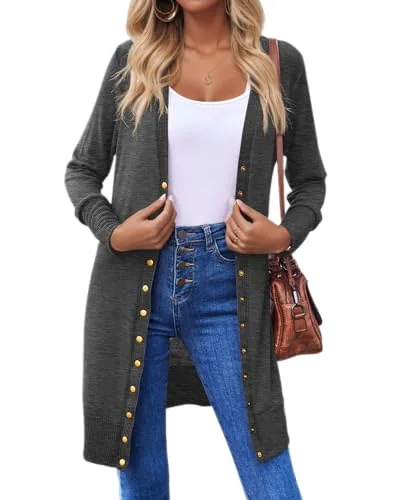
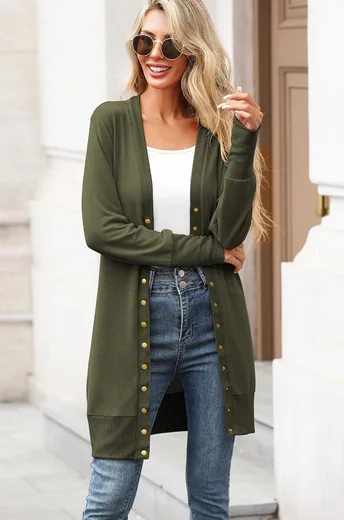
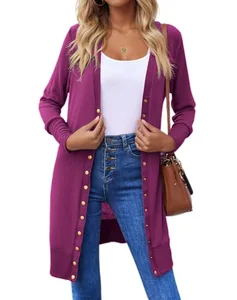
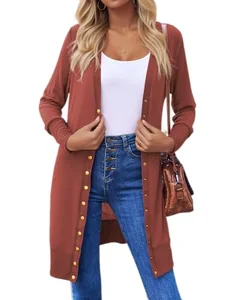
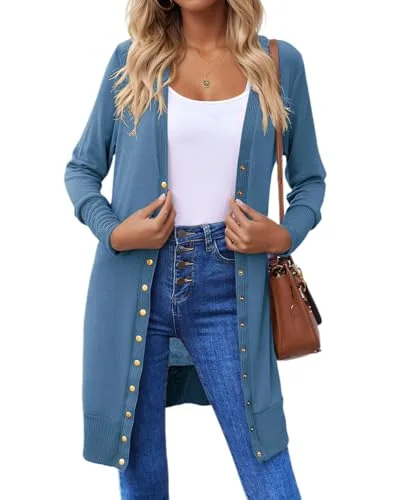
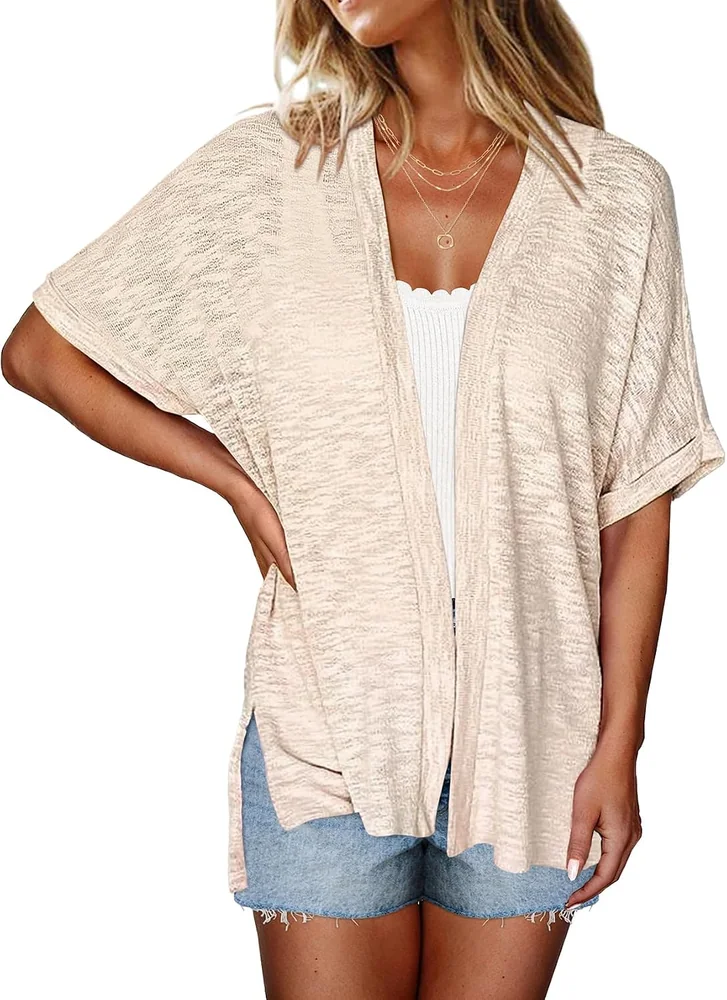
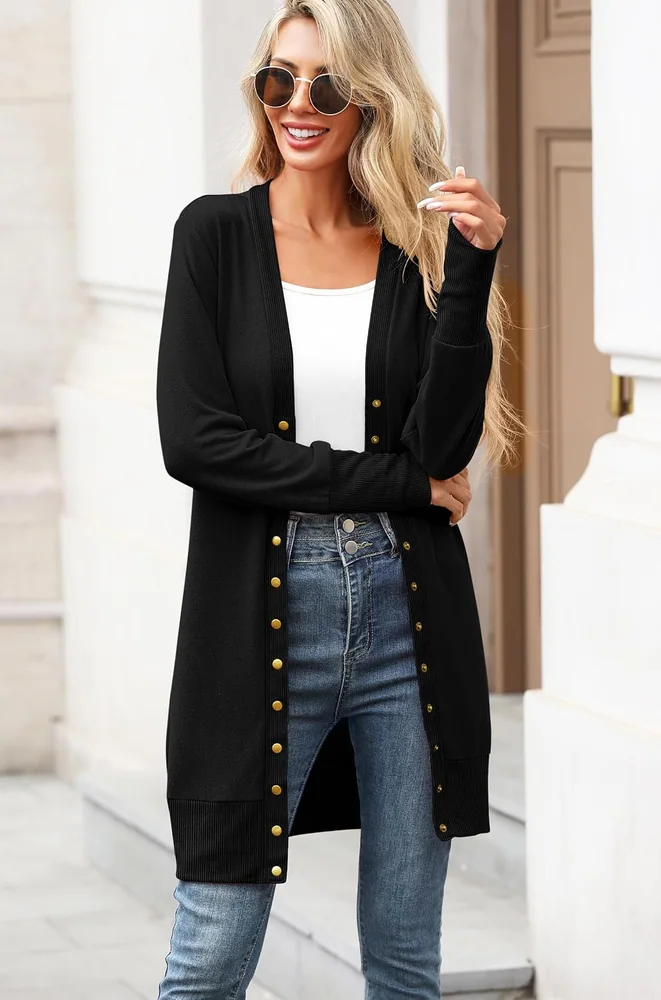
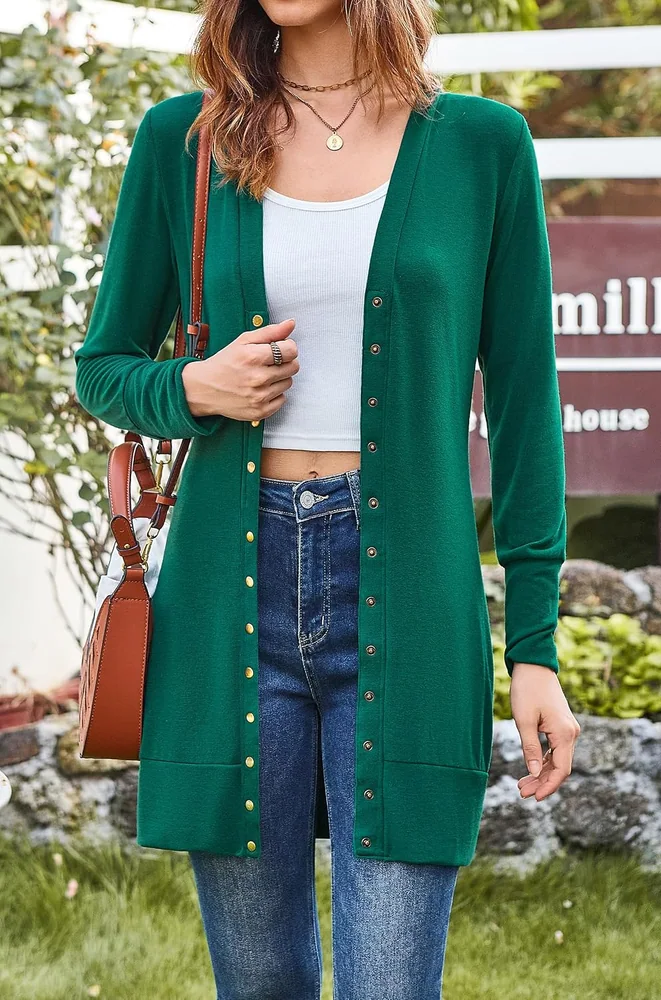
Halife cardigans this guide is about
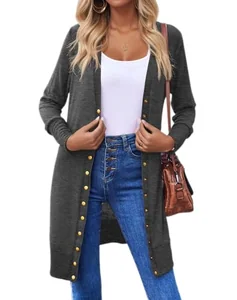

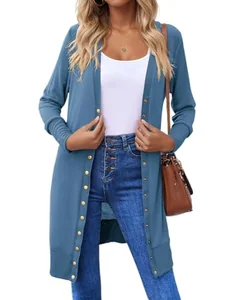
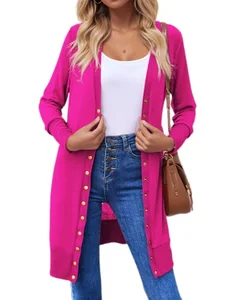

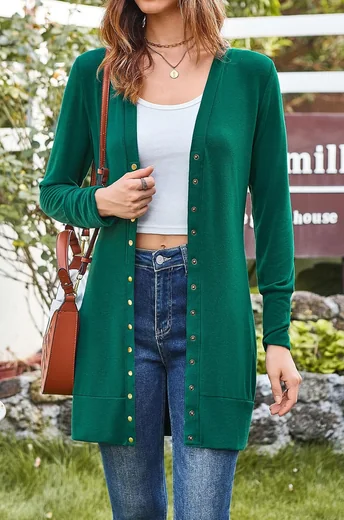
Long-Sleeve Cardigan III, Dark Green
long sleeve · loose fit
4.4 out of 5 · 6,699 ratings
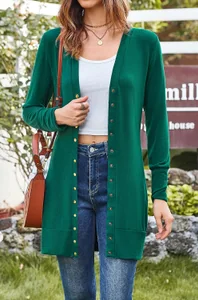
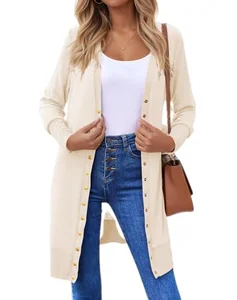
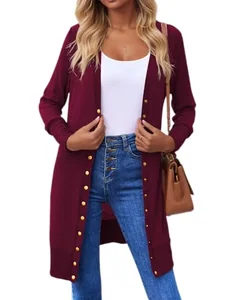
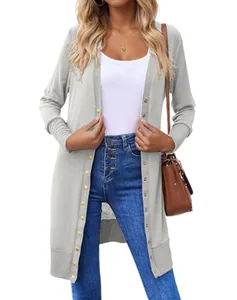
Size 2XL only in this colour
$25.64
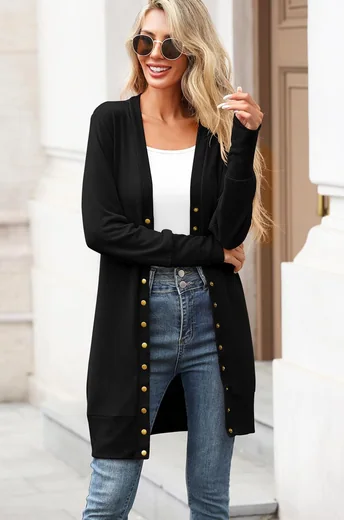
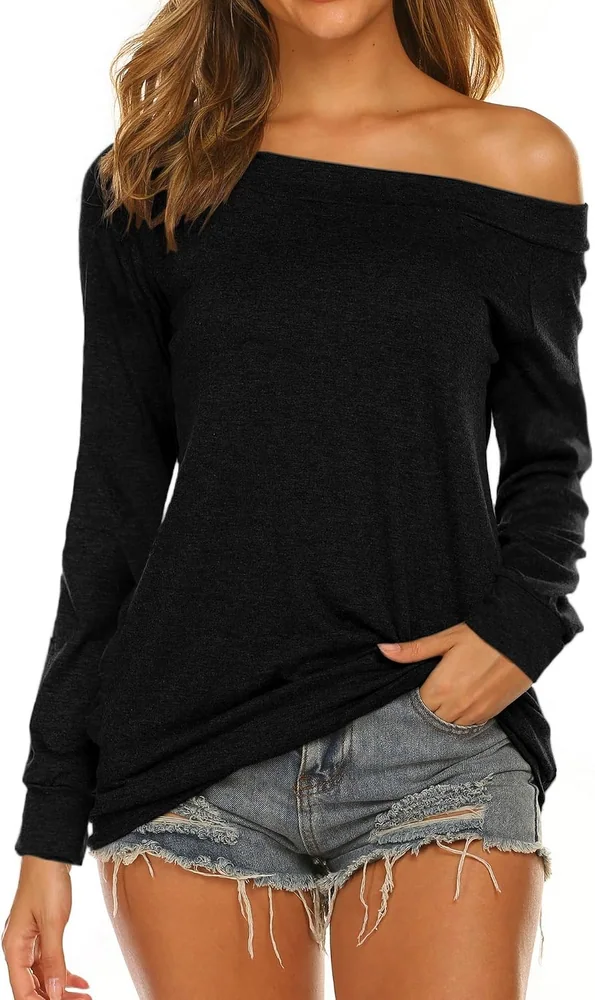
Tunic Sweater, Black
tunic · loose fit
4.4 out of 5 · 6,699 ratings
Size S only in this colour
$22.55
Four lines and a legal document
The tag sewn into the side seam of a dress is the most ignored piece of writing in a wardrobe, and it is the only part of the garment that had to pass a legal test before it was allowed to be sold. It is not advice. It is a disclosure, its vocabulary is fixed by rule, and the rule starts with a sentence that sets the whole tone:
Care labels must state what regular care is needed for the ordinary use of the product.
16 CFR 423, Electronic Code of Federal Regulations, read 6 September 2026
Regular care, for ordinary use. Not the gentlest possible treatment, not a disclaimer to protect the maker. What the garment needs in normal life, stated in advance. Once you read a care tag that way, it stops being a nuisance and starts being the cheapest thing you own that extends the life of everything else.
This guide walks through what the rule forces onto that tag, what it leaves out, and the handful of habits that decide whether a summer dress lasts one season or five. The people behind Halife have opinions about every one of them, mostly learned by ruining things.
What the rule forces onto the tag
Three sentences from the rule cover almost everything you will see on a label. They are worth reading slowly, because each one tells you what is missing as clearly as what is there.
The label must state whether the product should be washed by hand or machine.
16 CFR 423, Electronic Code of Federal Regulations, read 6 September 2026
The label must also state a water temperature—in terms such as cold, warm, or hot—that may be used.
16 CFR 423, Electronic Code of Federal Regulations, read 6 September 2026
The label must state whether the product should be dried by machine or by some other method.
16 CFR 423, Electronic Code of Federal Regulations, read 6 September 2026
Hand or machine. A temperature. Machine drying or something else. That is the skeleton, and every care tag you have ever read is a variation on it. On this site 931 pages state machine washing from the label and 542 state hand washing, and where the label says nothing our page says nothing rather than guessing.
What the rule does not require is a reason. A tag never explains why cold, why flat, why not the dryer. That gap is what this guide fills.
The symbols nobody was taught
Alongside the words, most labels now carry a row of small symbols, and almost nobody was ever taught to read them. They are worth ten minutes once, because they say the same things the words do in a form that survives the words wearing off in the wash.
The washtub is washing. Dots inside it are temperature, and more dots mean hotter. A number inside it is the temperature in degrees. A hand in the tub means hand wash. A cross through the tub means do not wash at all, which on a summer garment usually means a structured piece with fusing inside it.
The square is drying. A circle inside the square is a tumble dryer, and again dots are heat. A cross through that circle is the one to look for on anything with elastane in it. Lines inside the square are the alternatives: a horizontal line means dry flat, a curved line at the top means hang to dry, and diagonal lines in the corner mean dry in the shade.
The triangle is bleach, the iron is an iron with dots for heat, and the circle on its own is professional cleaning. That is the whole alphabet, and the two that matter most for the clothes on this site are the crossed-out tumble dryer and the horizontal line for flat drying.
From the bench
Pieces this chapter is about
Long-Sleeve Cardigan III, Dark Green
long sleeve · loose fit
4.4 out of 5 · 6,699 ratings
Size 2XL only in this colour
$25.64
Tunic Sweater, Black
tunic · loose fit
4.4 out of 5 · 6,699 ratings
Size S only in this colour
$22.55
Cold is a ceiling, not a preference
Read the temperature line again: a temperature that may be used. It is a ceiling. A label that says warm permits cold. A label that says hot permits warm and cold. Nothing on a label ever obliges you to use heat, and for the kind of clothing on this site heat is the single biggest cause of a garment ageing badly.
Cold water in a modern machine with a detergent formulated for it cleans summer clothes completely. What it does not do is shrink a cotton dress on its first wash, relax a rayon top into a longer thinner version of itself, or take the recovery out of a knit with elastane in it. Nor does it set a protein stain permanently, which hot water does in seconds.
The one exception worth naming is bedding and towels, which are not what we make. For a blouse, a cover-up, a cardigan or a dress, the studio's answer is cold every time.
The dryer is what shortens a wardrobe
If cold water is the first habit, skipping the dryer is the second, and it matters more. A tumble dryer does three things at once to a summer garment: it heats it, it tumbles it against itself and the drum, and it does both until the fabric is bone dry rather than merely not wet.
| Drying method | What it does | Where it belongs |
|---|---|---|
| Machine dry, hot | shrinks cotton, melts the finish on polyester, cooks elastane | nothing on this site needs it |
| Machine dry, low | acceptable for a heavy cotton knit in a hurry | still shortens the life of anything with stretch |
| Hang dry | right for wovens, blouses, cover-ups, dresses | hang from the seams, not the shoulder points |
| Dry flat | right for every knit and every cardigan | the only way a knit keeps its shoulders |
The distinction between hanging and drying flat is not fussiness. A wet knit hung on a hanger carries its own weight from two points, and the fabric at those two points stretches and never comes back. That is where the shoulder bumps on an old cardigan come from, and no amount of washing removes them once they are set.
Wovens are safe on a hanger because they do not stretch, but hang them from the side seams over a bar rather than from the shoulder points, and hang them damp: a blouse hung damp dries flat enough that an iron becomes optional.
Hand wash, and what it really means
A hand wash label frightens people out of buying perfectly practical clothes, and it usually means less work than it sounds. In practice it means: no agitation, cool water, no wringing.
The version that takes four minutes: a basin of cool water, a spoon of detergent, the garment moved gently for a minute and left for ten, then two rinses and pressed flat between two towels. Not scrubbed, not twisted, not held under a running tap.
Most modern machines have a hand-wash or delicate cycle that agitates less than a hand does. If yours does, a mesh bag and cold water on that cycle is honest compliance with the label, and the studio uses it for everything but the most open-weave pieces.
Fibre by fibre
The care line and the fibre line on a page work together, and each fibre fails in a characteristic way. Counts below are pages on this site that print that fibre from the label.
| Fibre | Pages | How it behaves | What it wants |
|---|---|---|---|
| Cotton | 19 | shrinks once in heat, then settles | cold wash, hang; it softens with every wash |
| Rayon and viscose | 241 | drapes beautifully, weakest when wet | cold, gentle, never wrung |
| Polyester | 531 | holds colour and shape, holds odour too | cold wash soon after wearing |
| With spandex | 1111 | recovery comes from the elastane | heat is what kills the stretch |
Cotton is the forgiving one. It shrinks a little the first time it meets heat and then stops, and it gets softer for years. The mistake with cotton is the dryer, not the wash.
Rayon is the one that catches people out. Dry, it drapes better than anything else on this bench. Wet, it loses a large part of its strength, so a rayon dress should never be wrung and never be hung soaking. Support the weight while it is wet and it will outlive its reputation.
Polyester keeps colour and shape almost indefinitely and holds smell in a way natural fibres do not. Wash it soon after wearing rather than at the end of the week.
Linen creases and there is no point fighting it. It also gets better every year, breathes better than any other summer fabric, and is the reason the studio keeps buying it despite the creasing.
Elastane, the two to five percent at the end of the fibre list, is the first thing heat destroys. A garment that has lost its stretch has not worn out; it has been cooked.
That fibre line is also what tells you which way to lean when you are choosing between two sizes, because a fabric that gives and a fabric that does not want opposite decisions. The reasoning is in the sizing guide, and the short version is smaller on a knit, larger on a woven.
Two other habits belong here because they cost nothing. Wash dark colours inside out, which keeps the abrasion of the drum on the inside of the fabric where fading does not show. And wash anything with hardware, a zip or a row of buttons, closed and in a bag, because an open zip in a drum is a small saw working on whatever knit is next to it. The cardigans bench is where that lesson gets learned expensively.
Hanging, folding and the shoulder bump
Storage decides the shape of a wardrobe as much as washing does, and the rule is short: hang wovens, fold knits.
A blouse, a shirt dress, a linen cover-up: hang them, ideally on a wide hanger rather than a wire one, and give them enough space that air moves between them. A crowded rail creases everything it holds and traps damp in a Charleston summer.
A cardigan, a jersey dress, a knit top: fold them. If you must hang a knit, fold it over the bar of a hanger at the waist rather than putting the hanger inside the shoulders. Every knit shoulder bump in the world was made by a hanger.
Anything with a tie or a sash gets stored with the tie undone and folded separately, because a knot left in a garment for a season sets a crease that pressing does not remove.
Stains, in the first ten minutes
Almost every stain that becomes permanent did so because of heat or time, and usually both. The general rules, in order of how much they save:
Cold water immediately. Blot from the outside in, never rub. Rubbing pushes the stain into the fibre and abrades the surface so the mark shows even when the colour has gone.
Never heat a stain you have not removed. Not with hot water, not with a dryer, not with an iron. Heat sets protein and oil stains permanently, and a mark that would have washed out becomes part of the garment.
Sunscreen is the summer stain. The mineral filters in most sunscreens leave a stubborn yellow-white mark on light fabric, and it responds to a cold soak with detergent worked in gently, not to hot water. Every cover-up on this site meets sunscreen at some point; the ones that survive were rinsed the same day.
Salt water and chlorine are not stains but they behave like slow ones. Rinse before they dry.
Storing a season
Summer clothing spends half the year in storage, and most of the damage a wardrobe takes happens in those months rather than in the ones when it is worn.
Everything goes away clean. An invisible sugar or sunscreen mark oxidises over a winter into a visible brown one, and moths are drawn to soiled fibres rather than clean ones. Everything goes away dry, in a Charleston climate especially, because a box in a garage in an eighty percent humidity July is a mildew experiment.
Cotton and linen prefer breathable storage: a cotton bag or an open shelf rather than a sealed plastic bin, which traps moisture against the fibre. Knits go flat, not folded on a hanger. Anything dark and expensive to replace goes away out of the light, because six months of daylight through a window fades a shoulder line that no wash will bring back.
Two more things worth doing on the day the season ends rather than the day it starts. Empty the pockets, because a paper receipt left in a linen dress for a winter transfers its ink to the lining. And leave a gap: clothes packed tight enough to compress come out with creases that have set into the fibre rather than sitting on the surface, and those need steam rather than a shake.
The pieces that need this least are the knits, which is convenient, because they are also the ones that should be folded rather than hung. A stack of cardigans on a shelf in a cotton bag is the whole storage system for half of this catalogue.

What ends up in a landfill
There is a reason to care about all of this beyond keeping a favourite dress alive, and the federal numbers are blunt about the scale.
EPA estimated that the generation of textiles in 2018 was 17 million tons.
United States Environmental Protection Agency, Textiles: Material-Specific Data, read 6 September 2026
The recycling rate for all textiles was 14.7 percent in 2018, with 2.5 million tons recycled.
United States Environmental Protection Agency, Textiles: Material-Specific Data, read 6 September 2026
Landfills received 11.3 million tons of MSW textiles in 2018.
United States Environmental Protection Agency, Textiles: Material-Specific Data, read 6 September 2026
Seventeen million tons generated, under fifteen percent recycled, eleven point three million tons buried. Those three numbers together say something uncomfortable and useful: recycling is not where this problem gets solved. The recycling rate has moved slowly for decades. The number that moves is the one you control, which is how long each garment stays in use.
A dress worn for four summers instead of one is a seventy-five percent reduction in that dress's contribution to the pile, achieved with cold water and a drying rack. No purchasing decision available to any of us comes close to that.
We sell clothes, so treat this as what it is: a brand telling you that the most useful thing you can do with what you buy from us is keep it longer. It is also the honest reading of the numbers.
There is a second-order version of the same argument that gets less attention. A garment kept in use is also a garment not replaced, and the replacement is where most of the water, dye and freight sit. Nothing you do at the washing machine competes with simply not needing the next dress for another two summers.
The pieces on this site that reward that treatment most are the plainest ones: a black jersey dress, a white cotton blouse, a light cardigan in a colour that goes with everything. They are boring to write about and they are the ones still in the wardrobe in 2030.
The pieces least likely to survive are the ones with an open weave and a pale colour, which is not an argument against buying them. It is an argument for washing them by hand, which takes four minutes, and for the cover-up guide, since that is where most of the open weaves on this site live.
What a garment owes you
Three things a label cannot promise, and we will not either.
It cannot promise no shrinkage at all. A cotton knit will move a little on first wash even in cold water. The label states a ceiling temperature, not a guarantee of dimensional stability.
It cannot promise colour permanence. Deep dyes on light fabrics release in the first two washes, and that is the reason a new dark piece goes in on its own. Sunlight fades everything eventually.
It cannot promise a fibre it does not name. Where a label is silent about a blend, our page is silent too, and in that case the care advice defaults to the most cautious version: cold, gentle, flat.
A wash day, in order
- Read the tag once when the piece arrives, and remember only two things from it: hand or machine, and the drying method.
- Cold, always. The temperature on the label is a ceiling and cold is always inside it.
- Turn dark and printed pieces inside out and wash new dark colours on their own the first time.
- Zip and button everything before it goes in, so hardware stops catching the knit next to it.
- Skip the dryer. Wovens on a hanger, damp. Knits flat, always.
- Deal with a stain the same day and never put heat near it until it is gone.
- Store it clean, dry and dark at the end of the season, knits folded and wovens hanging with room to breathe.
Sources
- 16 CFR 423, Care Labeling of Textile Wearing Apparel, Electronic Code of Federal Regulations, read 6 September 2026.
- Textiles: Material-Specific Data, United States Environmental Protection Agency, read 6 September 2026.
Before you go